
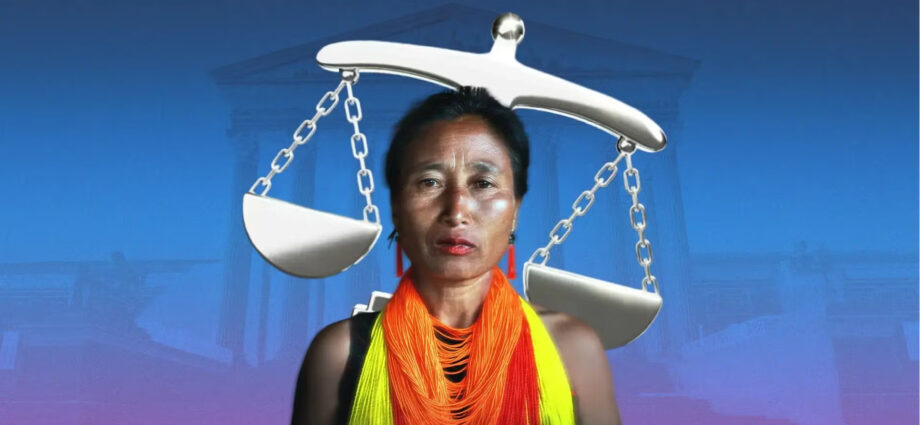
The People vs. Impunity against women and girls
Around the world, millions of women and girls face violence, discrimination, and abuse. Too often, the message they receive is the same: Justice and help is not on the cards for them. A rape case may never reach the court and the survivor suffers in silence. A workplace harassment complaint leads to no consequences and the toxic power dynamics persist. A woman seeks help at a police station but leaves without protection, only to go home and risk further violence and retaliation for speaking up. Women are denied equal pay, inheritance, and land rights – making it impossible for many to build prosperous lives and shape their own futures. This systemic discrimination is often so deeply embedded that it is impossible for many women to challenge it.
Laws exist, but they do not deliver justice or protection on their own. Women remain exposed to harm, forced to change their routines, jobs, and even homes – while those who caused harm face no consequences.
This is what happens when justice systems fail to protect women and girls, fail to listen to survivors, and fail to act. Violence and discrimination spread, and impunity tells perpetrators there will be no consequences, and that the rule of law does not matter.
This explainer puts that failure on trial.
What’s the charge? Impunity against women and girls
Impunity exists when harm happens without consequences. When perpetrators are not held accountable. When survivors are denied protection, recognition, or redress. When laws exist on paper but fail to work in practice. Or, when laws are biased against women and girls, offering no real path to justice.
Simply put, this means that in every corner of the world, laws still treat women and men differently. Women have fewer rights than men, by law. These legal gaps decide who is protected, who is believed, who can claim their rights, and whose version of events carries power. This is how impunity takes root: beyond the law, through narratives that downplay violence and violation, doubt women, and excuse those who cause harm.
Exhibit A: The barriers to seeking justice
Women and girls face multiple, overlapping barriers when they seek justice:
- Fear – of retaliation, stigma, or not being believed.
- Silence – driven by familial and social pressure, shame, or threats, they may be silenced, or encounter silence from society or authorities.
- Cost – legal fees, transport, lost income, and care responsibilities that make pursuing justice impossible for many.
- Lack of legal aid and representation – without accessible legal support, many women cannot understand their rights, navigate procedures, or challenge decisions, and are forced to face justice systems alone, or abandon any hope for justice.
- Complex systems – fragmented institutions, red tape, delays, and language barriers that exhaust survivors, increase re-traumatization, and allow cases to stall without resolution. To deliver justice, many different institutions – such as the police, courts, medical services or legal aid – fail to work together.
- Bias and discrimination – in policing, courts, and institutions, and media.
- Backlash and stigma – retaliation after reporting abuse for speaking out, and the risk of being blamed or disbelieved. For example, many women report being labelled unmarriageable after experiencing sexual violence.
For women facing intersecting forms of discrimination – including migrant women, women of colour, women with disabilities, women living in poverty, women of diverse gender identity or sexual orientation, or women affected by conflict – these barriers multiply….
read more on https://www.unwomen.org/en/articles/explainer/case-open-justice-for-all-women-and-girls
