
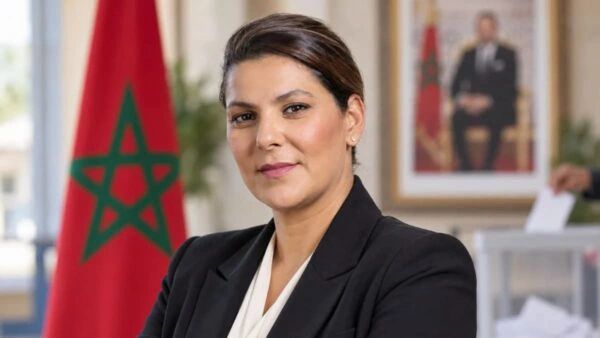
A Woman, a Historic Position, and a Symbol for an Entire Generation
Some appointments go beyond the political sphere to become part of history. On September 29, 2026, Morocco opened a new chapter in its institutional history with the appointment of Fatima Ezzahra El Mansouri as Head of Government. She thus became the first woman to hold this position in the history of the kingdom.
A lawyer by training, former mayor of Marrakech, and former Minister of National Land Use Planning, Urban Planning, Housing and City Policy, this Moroccan political figure has risen to one of the country’s highest positions following the victory of her party, the Authenticity and Modernity Party (PAM), in the September 23, 2026 legislative elections.
Beyond the historic significance of this appointment, her journey brings an essential question back into the spotlight: what place can African women truly occupy in positions of power and decision-making?
Fatima Ezzahra El Mansouri: The Journey of a Woman at the Heart of Moroccan Politics
Before making history as Morocco’s first female Head of Government, Fatima Ezzahra El Mansouri gradually established herself as a prominent figure in her country’s political landscape.
A legal professional by training, she has built her career through political engagement, municipal leadership and government responsibilities.
Her journey is marked by several significant milestones:
- 2009: She becomes Mayor of Marrakech.
- 2021: She returns to lead the Marrakech municipality.
- 2021–2026: She serves as Minister of National Land Use Planning, Urban Planning, Housing and City Policy.
- 2024: She becomes coordinator of the collective leadership of the Authenticity and Modernity Party (PAM).
- September 29, 2026: She is appointed Head of Government by King Mohammed VI.
These various responsibilities reflect her longstanding presence in Morocco’s governance and decision-making structures.
Her rise to the head of the executive branch therefore represents another milestone in a political career shaped by responsibilities at different levels of public administration.
A Historic Appointment That Is Reshaping Women’s Representation in Positions of Power
Fatima Ezzahra El Mansouri’s appointment marks a historic first for Morocco. For the first time, a woman has been entrusted with leading the kingdom’s government.
This development follows the September 23, 2026 legislative elections, in which the Authenticity and Modernity Party secured the highest number of seats, winning 97 of the 395 seats in the House of Representatives.
In accordance with the Moroccan Constitution, King Mohammed VI subsequently appointed her Head of Government and tasked her with forming the new government.
Beyond the institutional process, however, this appointment draws attention to an issue affecting the entire African continent: women’s representation at the highest levels of governance.
Although African women are increasingly present in entrepreneurship, research, diplomacy, culture and civil society, their access to the highest political positions remains an important subject of discussion.
Women’s Leadership in Africa: Breaking Into Positions of Power Is No Longer Enough
A woman rising to lead a government represents an important symbolic milestone. It broadens perceptions of leadership and makes new possibilities more visible to younger generations of women.
However, the issue goes beyond simply having women represented in institutions.
The real challenge also lies in ensuring women’s effective participation in public decision-making, the definition of national priorities and the implementation of policies that directly affect their lives.
Across Africa, several challenges remain:
- Promoting women’s access to political and institutional leadership positions.
- Strengthening their participation in electoral processes and governance structures.
- Developing training and mentorship programmes for future women leaders.
- Tackling discrimination and sociocultural barriers that hinder women’s advancement.
- Ensuring that women actively participate in shaping public policies.
Women’s representation becomes truly meaningful when it is accompanied by the actual ability to influence decisions, put forward proposals and contribute to the transformation of society.
A New Source of Inspiration for African Women
For young girls and women aspiring to leadership positions, the journeys of women holding prominent public offices can help broaden their sense of what is possible.
Seeing a woman rise to lead a government is a powerful reminder that positions of authority are not exclusively reserved for men.
Such visibility matters. It challenges stereotypes, encourages women’s ambitions and strengthens their legitimacy in spaces traditionally dominated by men.
Nevertheless, every journey is unique, and lasting transformation requires open institutions, equal opportunities and mechanisms that enable women to participate fully in public life.
Fatima Ezzahra El Mansouri’s story now forms part of a broader conversation about the evolving role of women’s leadership across the African continent.
